Burn injuries can be among the most painful and stressful experiences one can sustain. Whether it's a small cooking area incident or a serious burn from an accident, understanding the phases of melt wound recovery is vital for efficient treatment and recuperation. In this short article, we will certainly delve deep into the intricacies of melt injuries, their category, healing procedures, and vital treatment techniques.
Understanding Burn Wound Healing Presents: Recuperation Insights
Burns are classified into various degrees based on their severity, each requiring particular medical focus and care. The recovery process involves distinctive stages that have to be recognized to make sure appropriate administration and rehabilitation.
What Are the Different Kinds Of Burns?
Burns are normally classified into three key types:
First-Degree Burns: These impact only the external layer of skin (skin). Symptoms include redness, light swelling, and pain.
Second-Degree Burns: These expand into much deeper layers of skin (dermis), triggering blisters, extreme discomfort, and swelling.
Third-Degree Burns: These entail all layers of skin and might damage hidden tissues. They show up white or charred and can be pain-free due to nerve damage.
Each kind demands varying degrees of medical treatment and home treatment strategies.
The Recovery Refine: An Overview
1. Hemostasis Phase
Immediately after a shed injury occurs, the body starts the hemostasis phase to stop any type of bleeding. Capillary restrict to lower blood flow to the afflicted location while platelets aggregate to develop a clot.
2. Inflammatory Phase
This stage complies with hemostasis and generally lasts for 3-5 days post-injury. It involves:
- Increased blood circulation to supply immune cells. Swelling as liquids gather in the tissue. Pain as nerve ends end up being sensitized.
3. Proliferative Phase
Taking location from concerning day 3 to week 3 post-burn, this phase includes:
- Formation of new cells with collagen deposition. Re-epithelialization where brand-new skin cells move across the injury bed. Angiogenesis-- the development of new members vessels-- to supply nutrients to recovery tissues.
4. Renovation Phase
This last stage can last several months to years after a melt injury and is marked by:
- Maturation of collagen fibers. Decreased vascularity as frameworks mature. Potential for scar formation depending upon severity.
Importance of Specialized Burn Dressings: Essential Burn Materials for Home Care
Proper clothing is crucial in managing shed injuries efficiently at home. Specialized melt dressings serve several objectives:
- They protect versus infections by creating an obstacle versus pathogens. They preserve wetness while permitting gases exchange which is essential for healing. Some dressings consist of antimicrobial buildings that prevent infection.
It's critical to select appropriate dressings based on shed level and size. For example, hydrogel dressings are commonly recommended for second-degree burns due to their cooling effect.
Scar Administration: Healing After Major Burns
Once a melt has recovered, mark monitoring becomes crucial for restoring feature and look:
Common Misconceptions Regarding Burn Treatment
CPR Constantly Restarts Heart Misconception: Debunking Common Burn Therapy Misconceptions
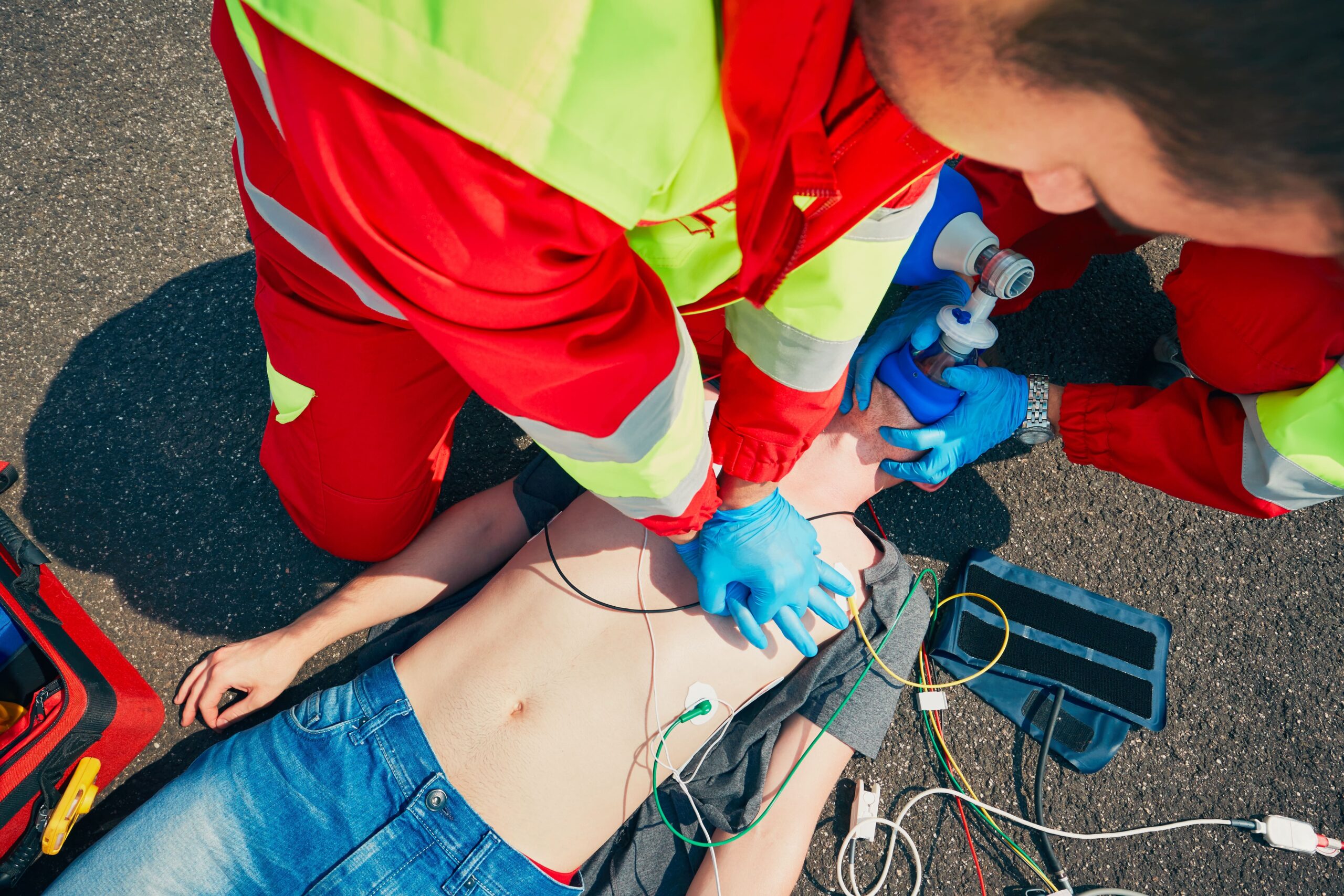
One widespread misconception bordering CPR is that it constantly reboots the heart; nevertheless, this isn't real-- mouth-to-mouth resuscitation increases opportunities of survival but does not ensure heart activity resumes quickly after cardiac arrest. Understanding such mistaken beliefs can aid in supplying exact emergency treatment during emergency situations entailing burns or other extreme injuries.
FAQs concerning Burn Wound Healing
1. What must I do instantly after maintaining a burn?
Answer: Trendy the area under running water for at least 20 mins and cover it with a clean fabric or specialized dressing if necessary.
2. How much time does it consider burns to heal?
Answer: Recovering times differ by shed degree; first-degree burns normally heal within a week while second-degree burns can use up to 3 weeks or even more depending upon severity.
3. When ought to I seek medical attention for a burn?
Answer: Seek specialist aid if you have second-degree burns bigger than 3 inches or any type of third-degree burns, no matter size.
4. Can I use ice straight on a burn?
Answer: No, applying ice straight can cause further skin damage; usage cool (not cool) running water instead.
5. Is there any effective natural remedy for burns?
Answer: Aloe vera gel has relaxing properties that may help with minor burns yet speak with doctor relating to substantial injuries.
6. How do I understand if my melt is infected?
Answer: Indicators include raised inflammation, swelling, pus discharge, fever, or getting worse discomfort; seek prompt clinical suggestions if you think infection.
Conclusion
Understanding burn injury recovery phases is vital not simply for individuals but likewise caretakers who offer support throughout recuperation phases. Understanding concerning specialized therapies-- like specialized dressings-- and proactive mark management dramatically influences lasting results after major burns occur.
Through awareness campaigns that emphasize safety and security around usual risks like campfires or kitchen tools-- such as curling irons-- we can https://www.firstaidpro.com.au/locations/nsw-105/tweed-heads/ protect against numerous occurrences prior to they occur! By recognizing just how to react with effective emergency treatment abilities (like those taught in HLTAID012 programs), you equip on your own with useful tools that protect lives throughout emergencies entailing burns or other significant injuries.
In summary, understanding genuinely is power when taking care of possible emergency situations associated with burns-- from comprehending therapy protocols like chemical or electrical burns emergency treatment guidelines down via different child-centric complications seen within education setups-- every information issues in ensuring safety!
This comprehensive guide intends not just to inform yet likewise influence confidence in handling complicated circumstances successfully-- after all-- prevention incorporated with prompt intervention saves lives!